

News
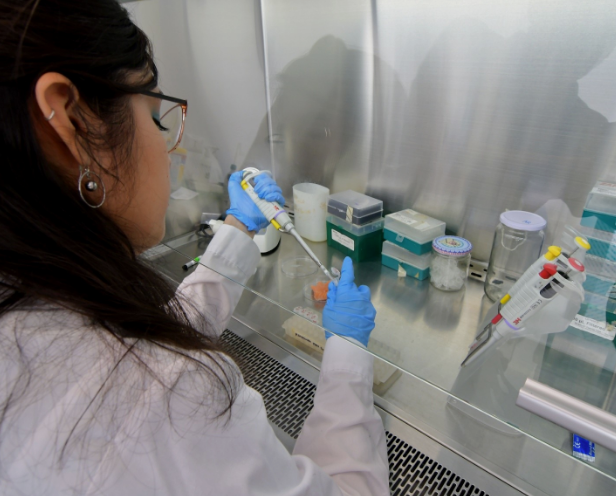
How to Maintain Reagent Traceability in Regulat...
A reagent can perform perfectly and still create compliance problems if its history cannot be reconstructed. In regulated laboratories, knowing what was used is only part of the requirement. Teams...
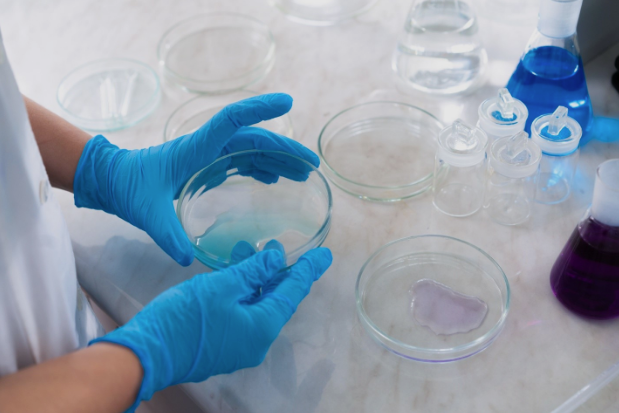
Key Factors to Consider When Selecting Agar Med...
Selecting the right agar media is essential for obtaining reliable, reproducible results in laboratory testing. Choosing appropriate agar media and workflow reagents helps laboratories maintain consistent testing procedures and achieve...
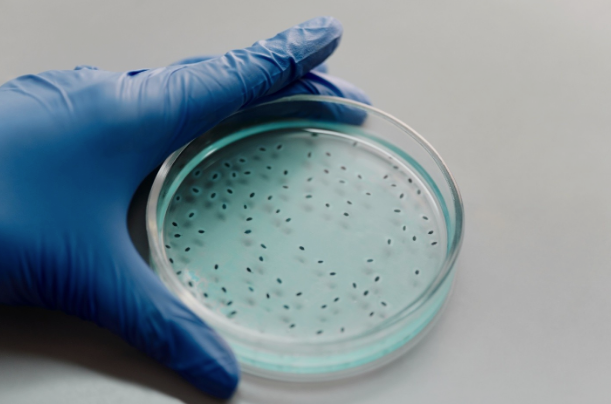
How to Prevent Contamination During Routine Mic...
Routine microbiology media preparation may seem easy, but small handling mistakes can quickly compromise the reliability of an entire batch. Contamination can come from poorly cleaned glassware, unsterile tools, open...
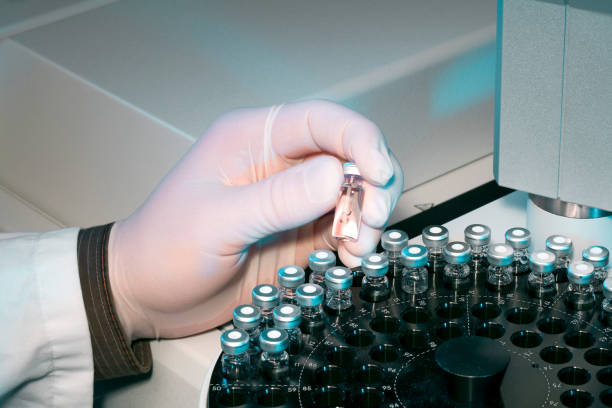
What Reagent Change Control Should Include Befo...
A reagent change can look simple on paper. A supplier changes, a formulation is adjusted, a new lot specification appears, or a laboratory replaces one buffer with another. In a...

How to Investigate Whether a Reagent Caused an ...
An unexpected assay failure can stop an experiment in its tracks. A control may suddenly fall outside its expected range, background signal may rise, sensitivity may drop, or results that...
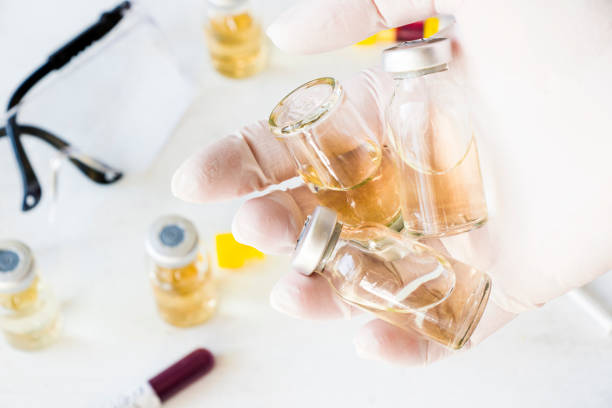
How to Troubleshoot Slow Growth After Switching...
Switching from serum-containing culture conditions to Serum Free Media can offer important benefits, including improved reproducibility, better process control, and reduced dependence on animal-derived components. However, the transition is not...


